Do I need a dehumidifier, or do I have a water problem?
A dehumidifier treats damp air. It cannot keep up with water coming through walls or the floor. Clean the gutters, extend the downspouts and check the grading first, then measure the room with a hygrometer for two weeks. If readings stay under 55 percent, you do not need a machine.
Equipment referenced
Product links on this page go to Amazon.
| For | Product | Link |
|---|---|---|
| Sensors | Govee H5075 hygrometer thermometer A small display that shows humidity and temperature and logs readings to a phone app over Bluetooth. An independent reading tells you what the room is doing away from the dehumidifier. | Check on Amazon |
| Sensors | Govee Wi-Fi water leak detectors Puck-shaped sensors that sound an alarm and send a phone alert when water touches them. One goes under the dehumidifier and one beside the pump. | Check on Amazon |
How do I tell a leak from damp air?
Any of these means liquid water is getting in, and a dehumidifier will not fix it:
- Wet patches or streaks on walls after rain.
- Puddles or a damp line where the wall meets the floor.
- White, powdery deposits on concrete or block.
- Paint or finishes peeling from the bottom of walls.
Fix outside first
Most basement water starts as rain landing next to the foundation.
- Gutters. Clean them. A blocked gutter pours roof water straight down the wall.
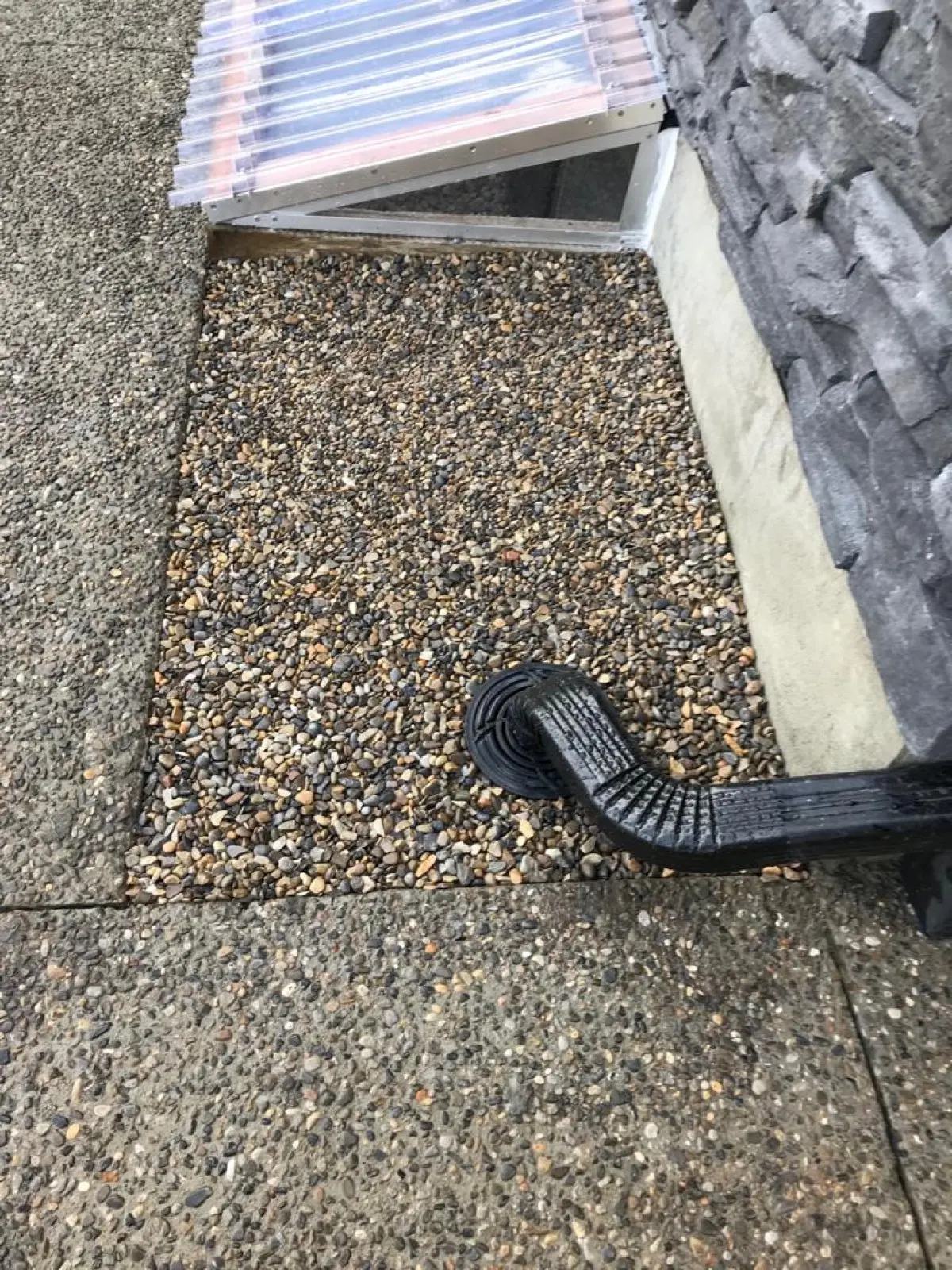
- Downspouts. Extend them so they discharge several feet from the house.
- Grading. Soil should slope away from the foundation. Add soil where it has settled toward the wall.
- Window wells. Clear debris and check that they drain.
These cost little and often change the picture. Persistent seepage, cracks that leak, or a high water table are jobs for a drainage or foundation contractor.
How do I measure basement humidity?
Put a hygrometer in the room and log two weeks, including some wet weather. The EPA advises keeping indoor relative humidity below 60 percent, ideally between 30 and 50 percent. It also tells homeowners to make sure the ground slopes away from the foundation so water does not collect there.
- Under 55 percent most of the time: you are done. Buy nothing.
- Above 60 percent in humid weather: you have a damp-air problem, and a dehumidifier is the right tool. See what size you need.
How do I catch the next leak early?
Whatever you decide, a water leak detector beside the water heater, the sump and any drain line is cheap insurance for a room full of tools or instruments.
Frequently asked
How do I tell condensation from seepage?
Tape a square of plastic sheet tightly to the wall or floor and leave it a day or two. Moisture on the room side of the plastic points to humid air condensing. Moisture under the plastic points to water coming through the masonry.
Is a musty smell always a humidity problem?
Usually it means something has been damp for a while. A dehumidifier helps prevent it returning. It does not remove mold already growing, which needs cleaning or, for large areas, professional help.
Sources
- A Brief Guide to Mold, Moisture and Your Home, U.S. Environmental Protection Agency